Guide
How to make outfits from clothes you already have
The short answer: first see what you own, and sort it into tops, bottoms, dresses, outer layers and shoes. Then start from one piece you want to wear and add a bottom or a dress, a pair of shoes and, if the weather calls for it, an outer layer. Put one colour on top of neutrals, keep to one patterned piece, don't mix casual pieces with formal ones, and give what you wore in the last few days a rest.
Last updated:
Step by step
See what you own
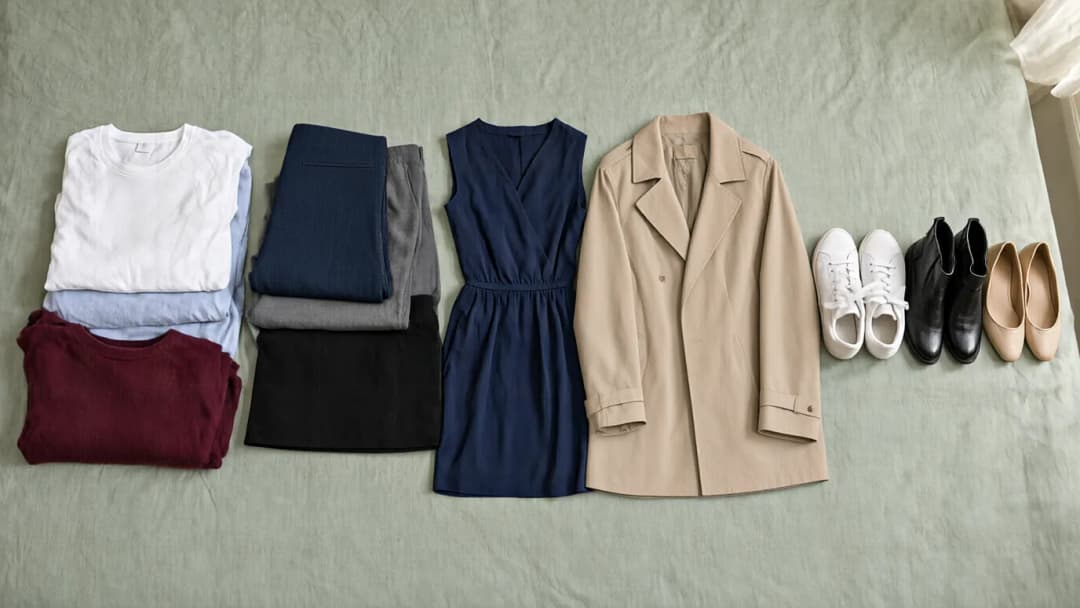
Sort your clothes into five groups: tops, bottoms, dresses, outer layers and shoes. Put aside what you haven't worn in a long time and what doesn't fit; outfits are built from the pieces you actually wear. Counting helps too: 5 tops and 3 bottoms already make 15 outfits before you count shoes.
Start from one piece
Pick the piece you want to wear today: a new shirt, a skirt you love or a sweater you haven't worn for a while. Build the outfit around it.
Build the base
A top and a bottom, or a dress on its own, then shoes. If it's chilly, raining or windy, add an outer layer: a jacket, a trench coat or a cardigan.
Choose the colours
The easiest way is one colour on top of neutrals: black, white, grey, navy, beige and browns go with everything. Light and dark shades of the same colour work well together too. Three colours that aren't close to each other, or two bright ones like red and orange, compete for attention.
One print, matching formality
One pattern per outfit is enough: floral, striped or checked. Repeating one of the print's colours in a plain piece ties the outfit together. Don't mix casual with formal: shorts and sandals don't go with a blazer, a T-shirt doesn't go with suit trousers, while a shirt works with jeans as well.
Rotate
Rest the tops and bottoms you wore in the last 7 days and give the others a turn; your jacket and shoes can stay the same every day. Save the outfits you like and note the day you wore them: after a while you'll see how much of your wardrobe you really wear.
Four outfits that follow the rules
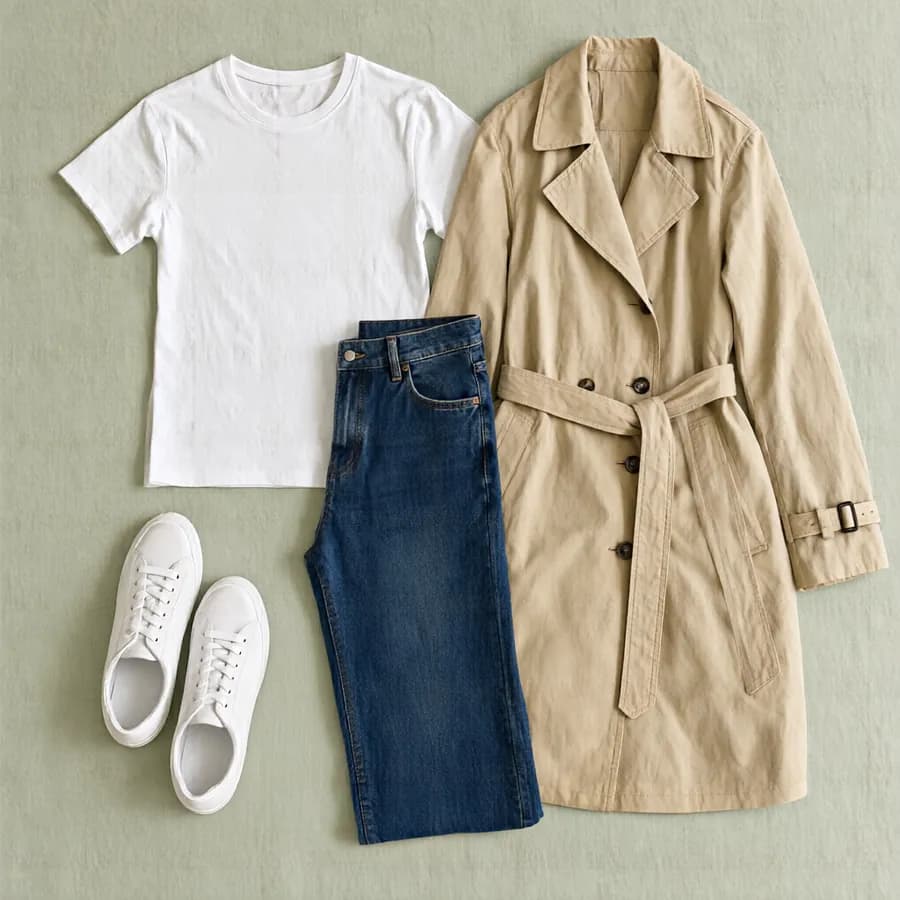
All neutrals
- White T-shirt
- Navy jeans
- Beige trench coat
- White sneakers
Neutrals always go together: the easiest start when your wardrobe is small.
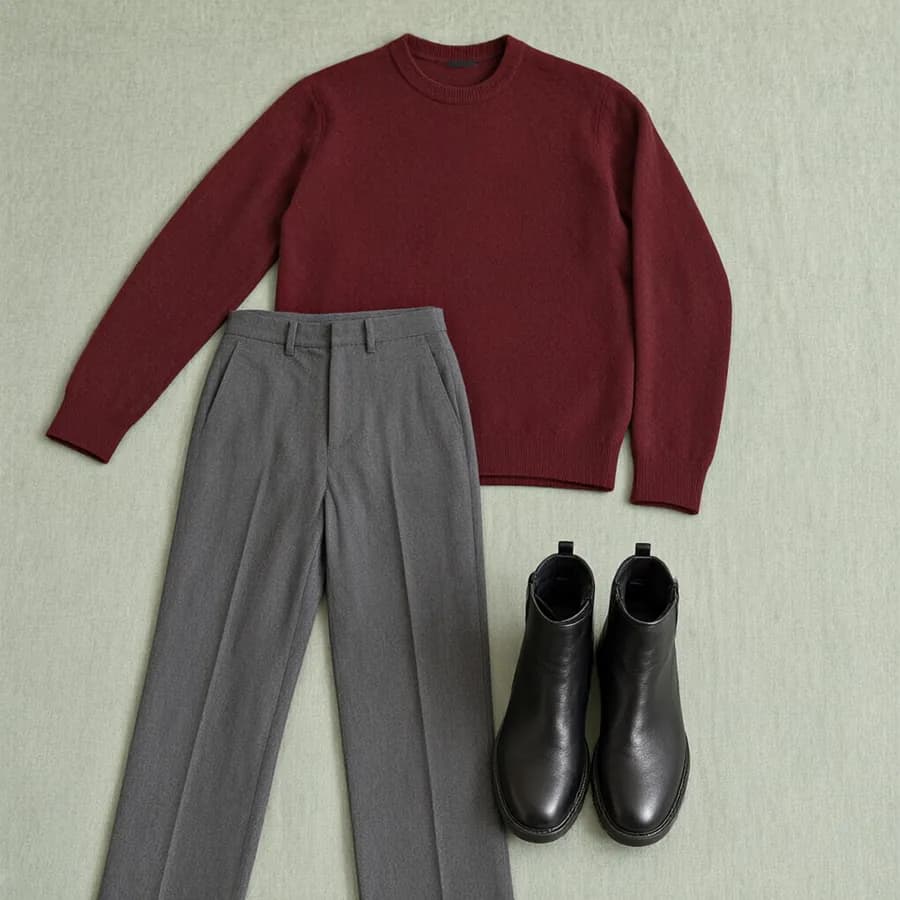
One colour, the rest neutral
- Burgundy sweater
- Grey trousers
- Black boots
A single colour livens the outfit up; the neutrals keep it calm.
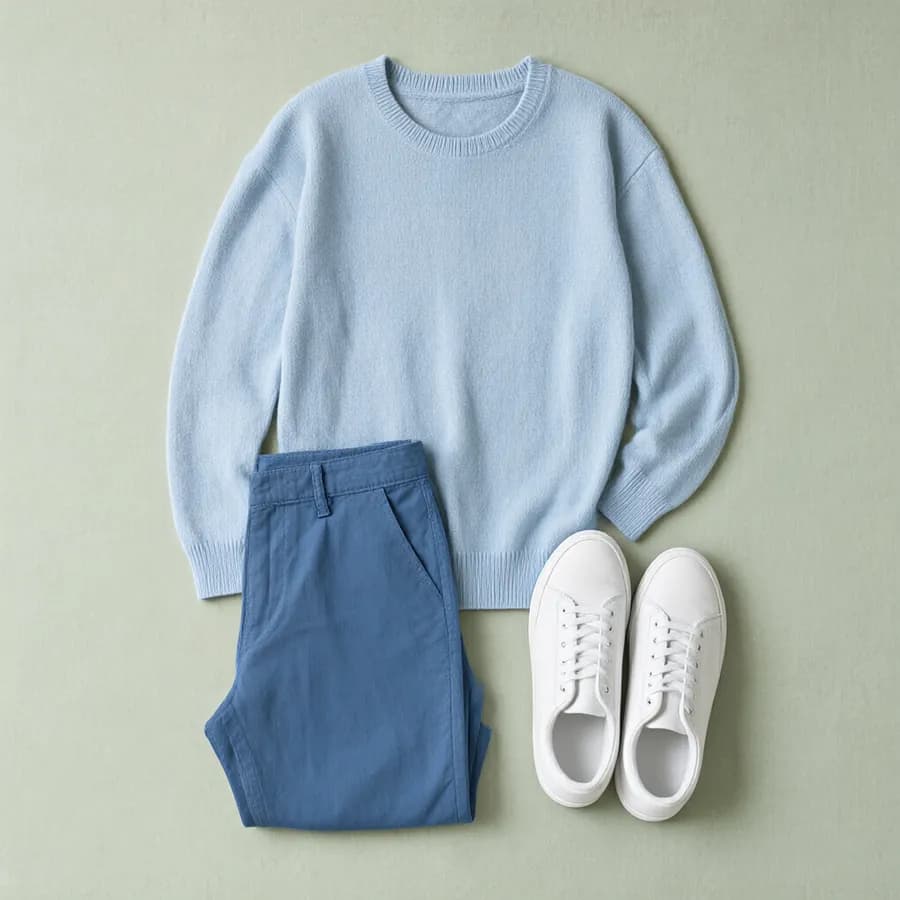
Shades of one colour
- Light blue sweater
- Blue trousers
- White sneakers
A light and a dark shade of the same colour look calm and put together.
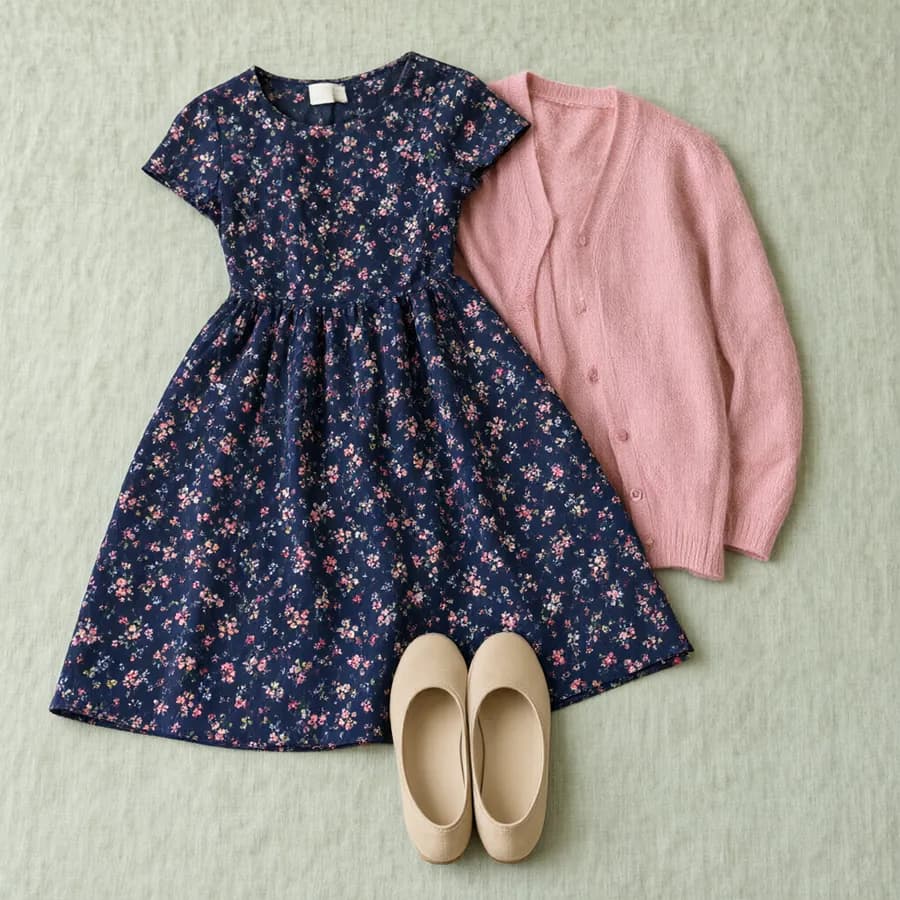
One print, its colour repeated
- Navy and pink floral dress
- Pink cardigan
- Beige flats
Repeating the pink of the print in a plain cardigan ties the outfit together.
Four pairings to avoid
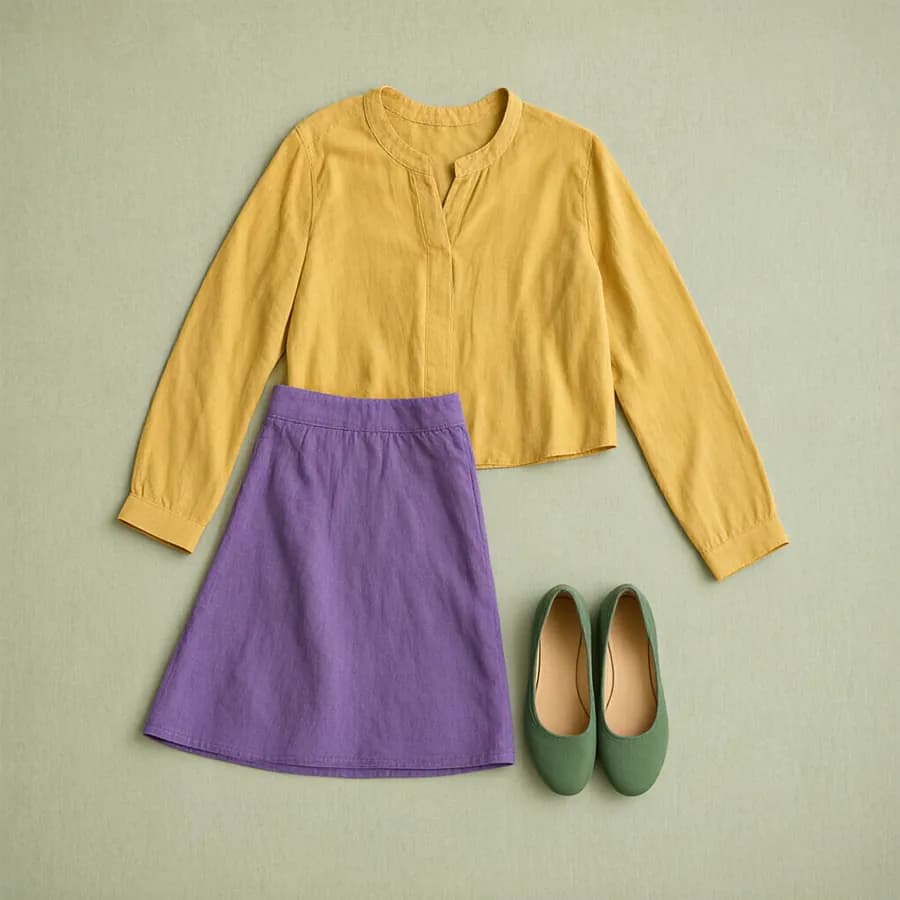 Avoid
Three unrelated colours
- Mustard blouse
- Purple skirt
- Green flats
Three colours that aren't close compete for attention; swap one for a neutral.
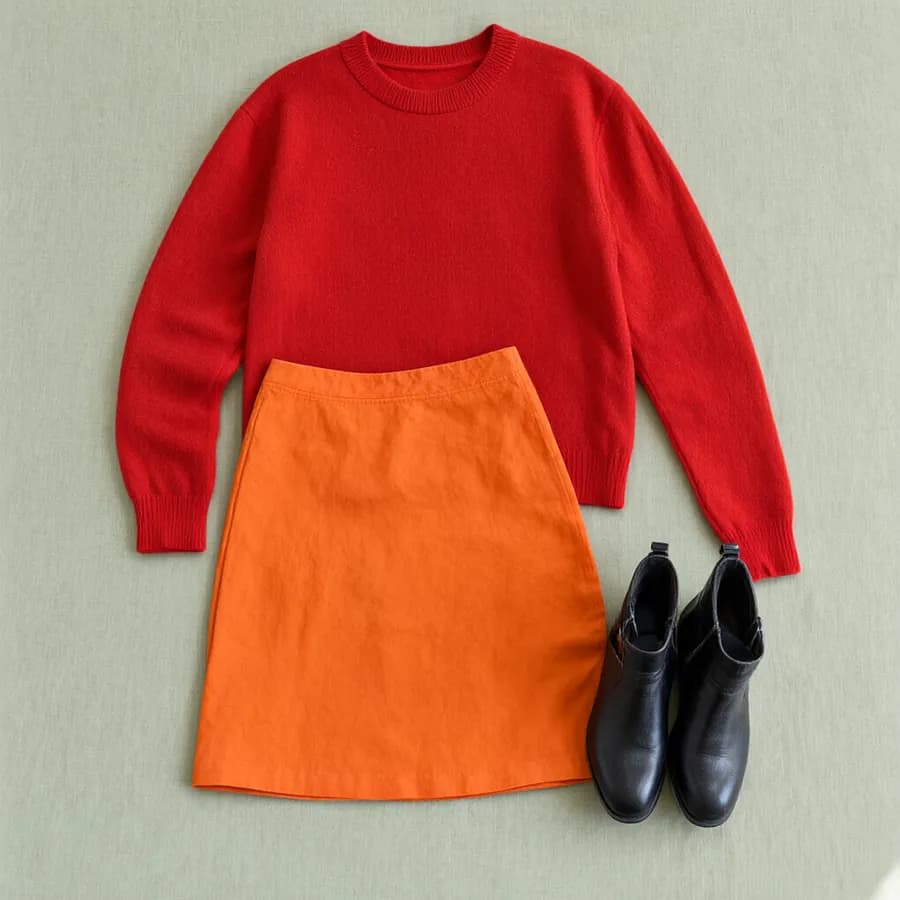 Avoid
Two bright colours
- Red sweater
- Orange skirt
- Black boots
Two bright colours like red and orange drown each other out; one is enough.
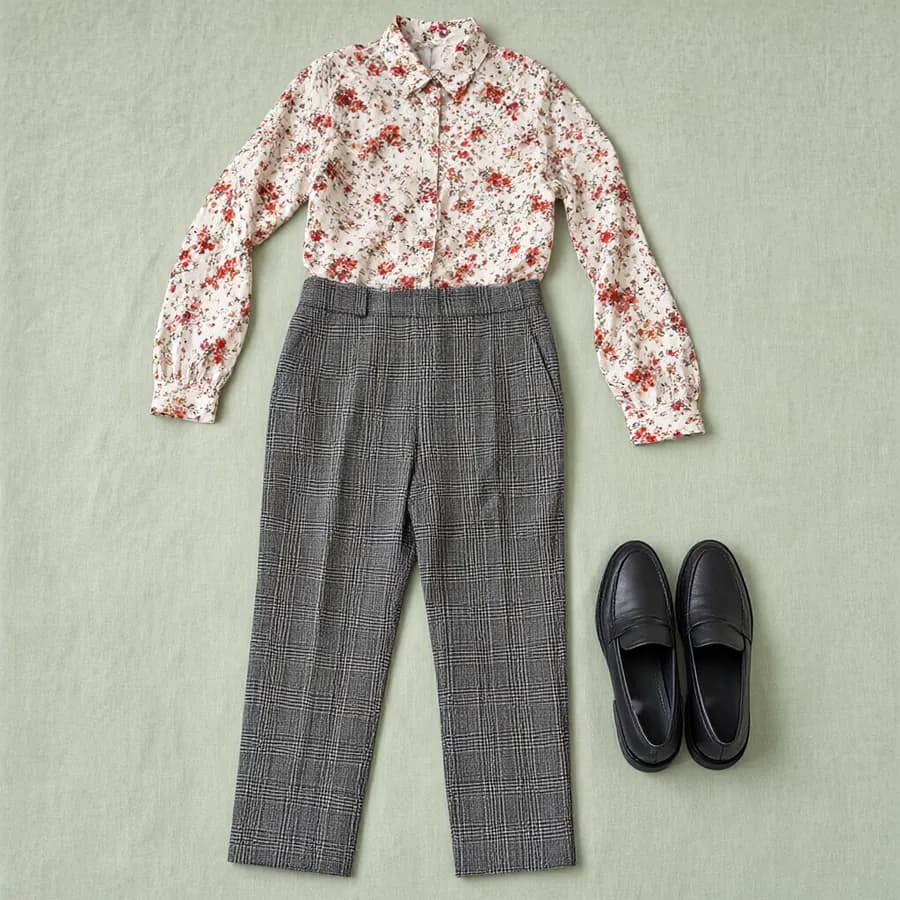 Avoid
Florals with checks
- White and red floral blouse
- Grey and black checked trousers
- Black loafers
One pattern per outfit is enough; a second one makes it busy.
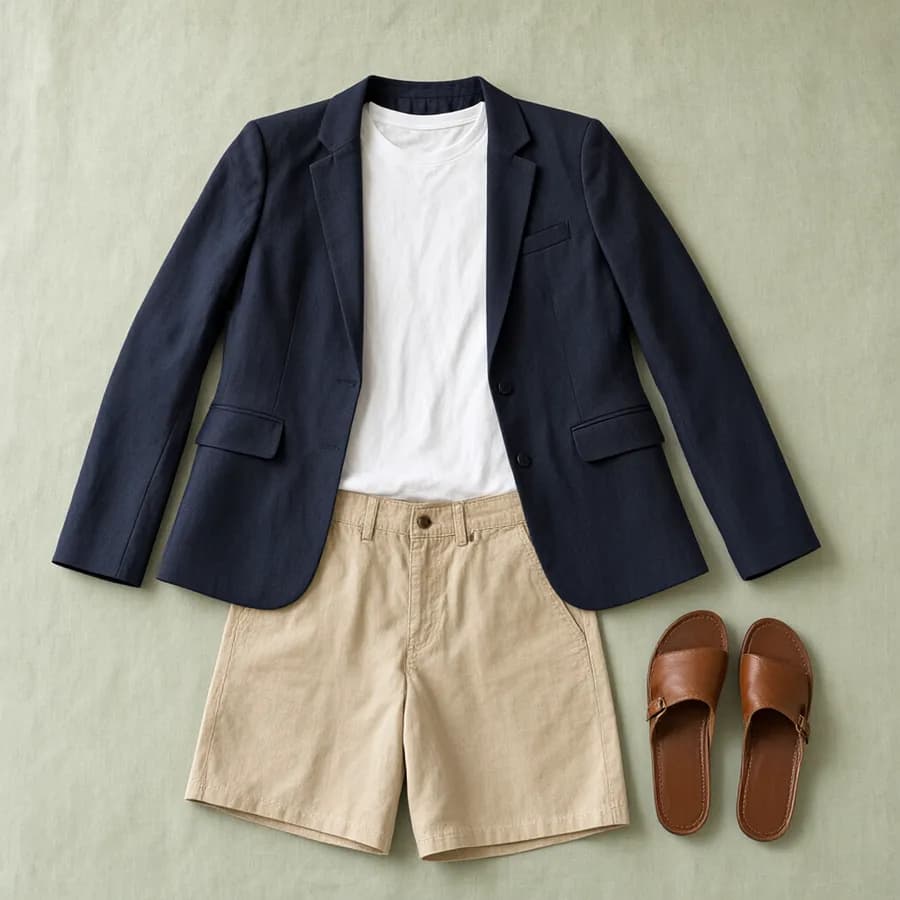 Avoid
Blazer with shorts
- White T-shirt
- Navy blazer
- Beige shorts
- Brown sandals
A formal jacket doesn't sit with shorts and sandals; pick the jacket or the shorts.
Doing this with your own wardrobe
Glassrobe does these steps with your wardrobe. Lay your clothes on the bed and take a photo; AI separates the pieces and tags them by type and colour.
The morning outfit applies these colour, pattern and formality rules to the day's weather and the kind of day you have, and rests what you wore in the last 7 days. On the Free plan the rules choose; on Plus the AI picks from their shortlist and says why.
For a particular occasion you can ask the AI stylist "What should I wear to a wedding on Saturday?". It builds the outfit only from your own pieces and shows it on your own photo in the virtual try-on.
Frequently asked questions
How do I make lots of outfits from a few clothes?
Neutral pieces multiply your outfits: a black, grey, navy or beige bottom goes with almost any top. 5 tops and 3 bottoms make 15 outfits before you count shoes, and every bottom you add opens as many new outfits as you have tops.
Which colours go with everything?
Black, charcoal, grey, light grey, white, off-white, cream, beige, camel, tan, brown, khaki, navy count as neutrals, and so does denim blue. Adding one colour on top of them is the easiest match.
What do I wear with a patterned piece?
Plain pieces. Repeat one of the print's colours in a plain piece, like a pink cardigan over a navy dress with pink flowers. Black and white go with any print. A second pattern, especially a floral or graphic one, makes the outfit busy.
Is there an app that makes outfits from the clothes I own?
Glassrobe builds a digital wardrobe from photos of your clothes and suggests an outfit from it every morning based on the weather; its AI stylist also builds outfits only from your pieces. The morning outfit works with rules on the Free plan.
The pictures on this page were generated with AI.