Guide
What to wear by temperature
The short answer: above 25 °C (77 °F) feels-like, a T-shirt, shorts and sandals are enough. At 20–25 °C (68–77 °F) wear a light top, with a light jacket if it rains; at 15–20 °C (59–68 °F) a shirt or a sweatshirt, with a jacket if the morning is chilly. At 8–15 °C (46–59 °F) wear a sweater with a jacket or a trench coat, and below 8 °C (46 °F) a warm sweater, a coat and boots.
Last updated:
One outfit for each temperature
Every piece in these outfits is on the chart below for its temperature.
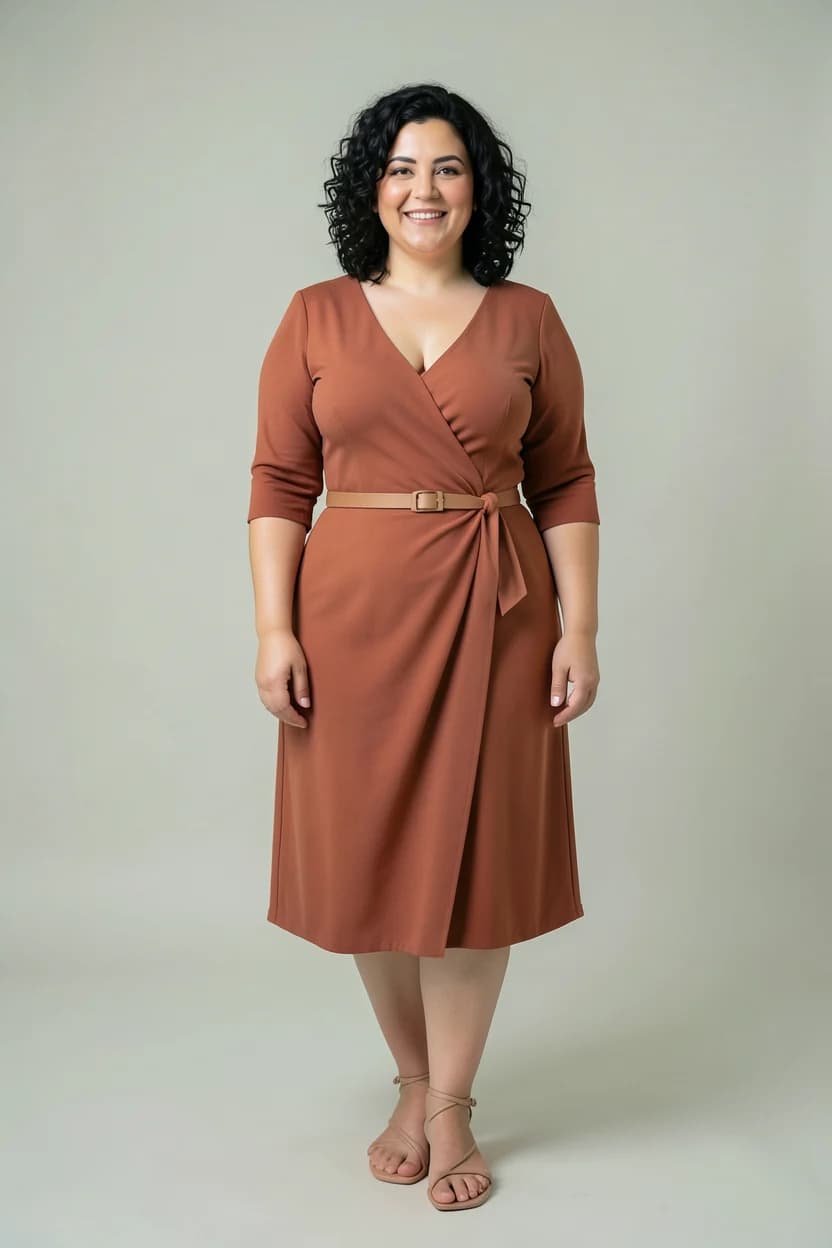
25 °C (77 °F) and above
Terracotta wrap dress, thin tan belt and nude sandals

20–25 °C (68–77 °F)
Blue striped shirt, straight-leg jeans, white canvas sneakers and olive crossbody bag

15–20 °C (59–68 °F)
Navy blazer, white tee, stone chinos and white leather sneakers
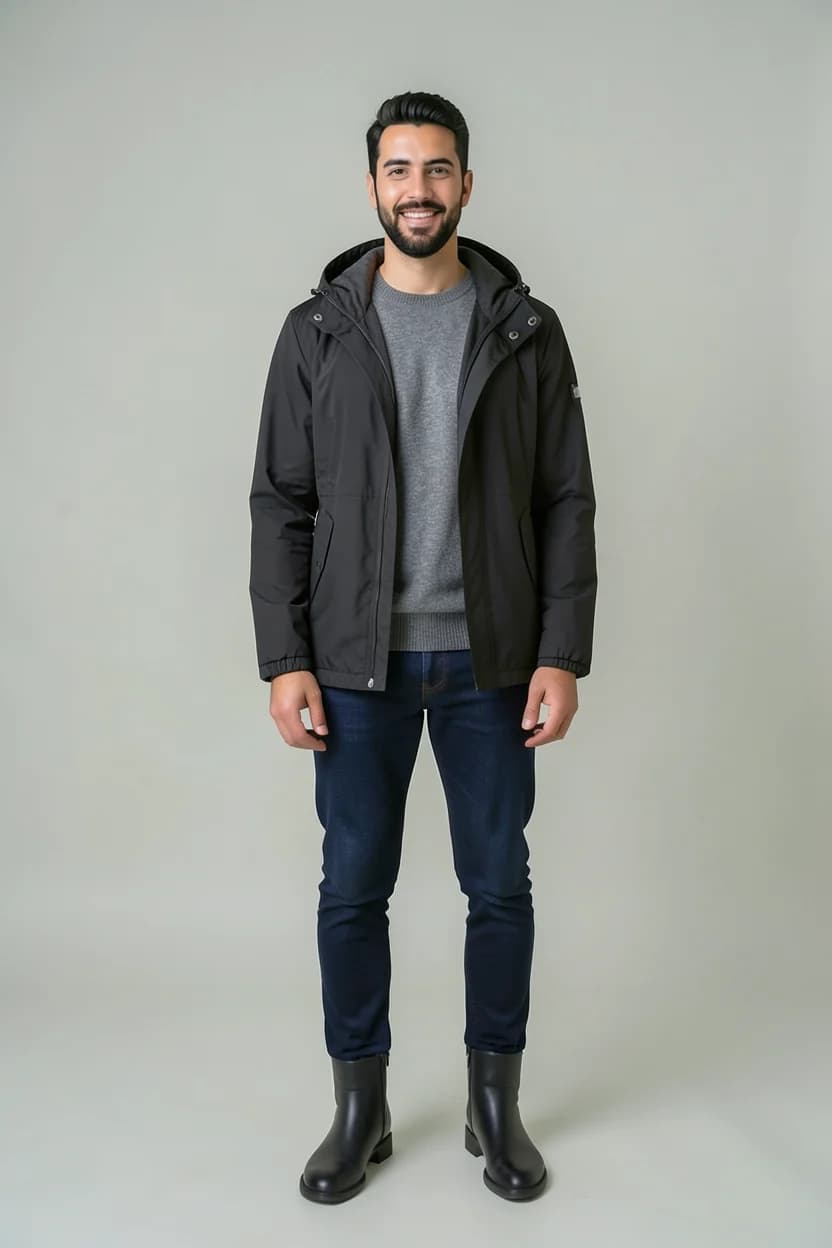
8–15 °C (46–59 °F)
Black hooded rain jacket, grey merino sweater, dark jeans and black chelsea boots
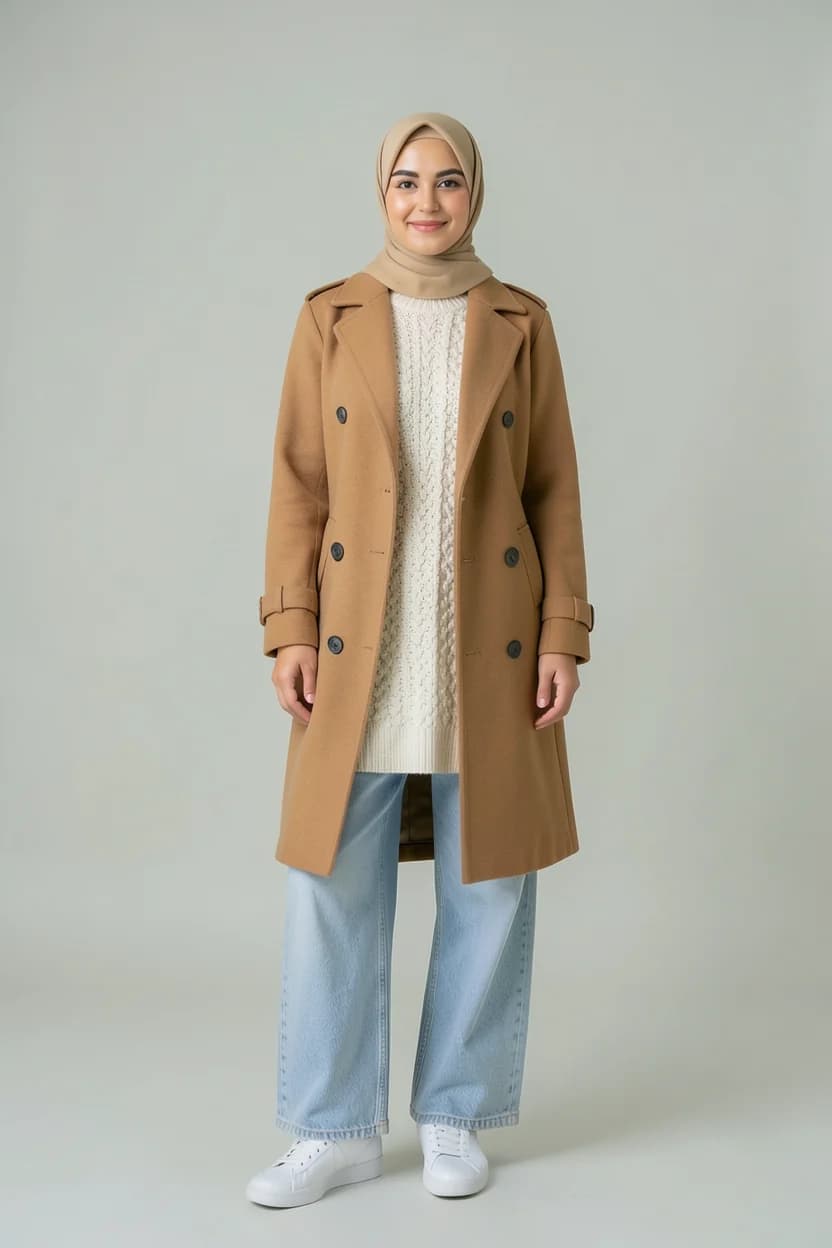
Below 8 °C (46 °F)
Camel wool coat, cream cable-knit tunic, wide-leg light jeans, white leather sneakers and beige hijab
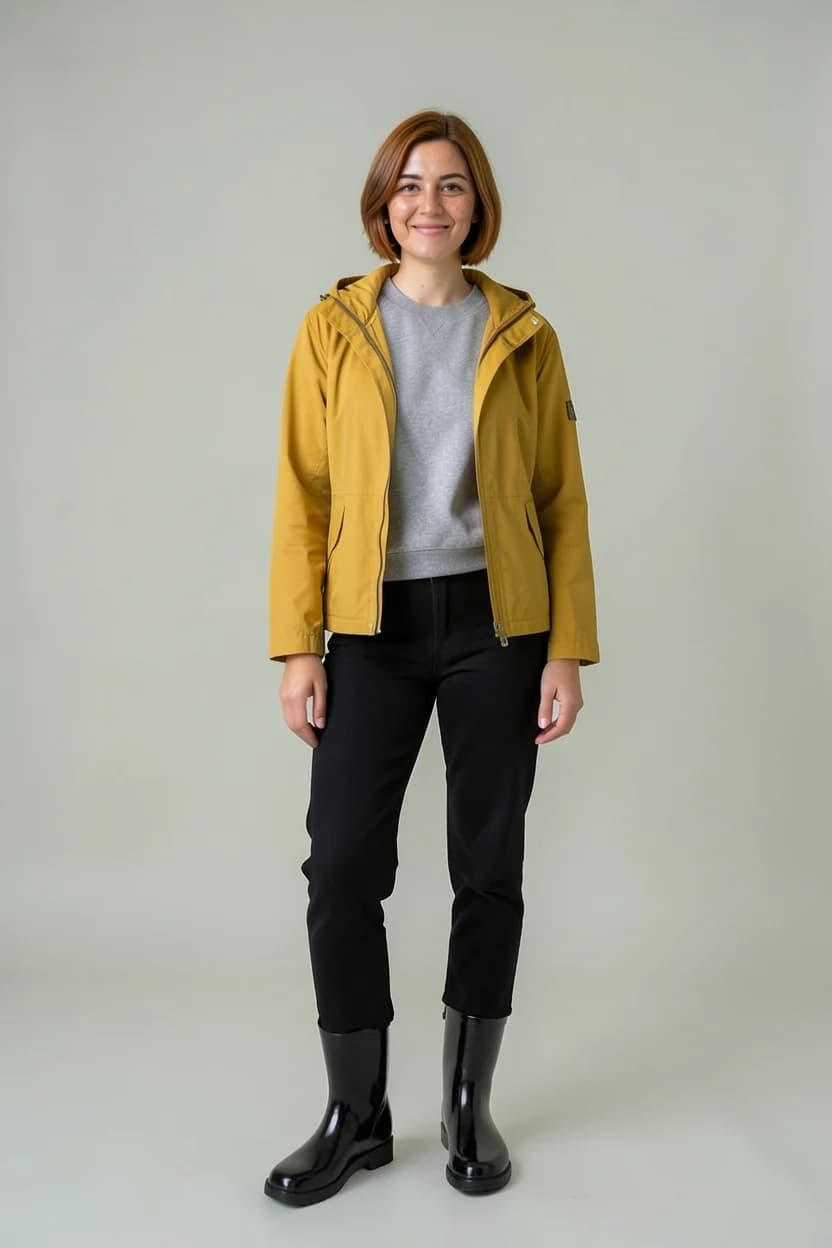
Rainy day
Mustard raincoat, grey sweatshirt, black jeans and black rain boots
What to wear in the rain
Outfit chart by temperature
| Feels like | Top | Outer layer | Bottom | Shoes | Not suitable |
|---|---|---|---|---|---|
| 25 °C (77 °F) and above | T-shirt, tank top, blouse, linen shirt, dress | Not needed | shorts, skirt, linen trousers | sandals, sneakers | wool trousers, boots, wool sweater |
| 20–25 °C (68–77 °F) | T-shirt, polo, blouse, shirt, dress | Only when it rains: trench coat, jacket, cardigan, blazer | jeans, trousers, skirt, shorts | sneakers, loafers, sandals | boots, wool sweater |
| 15–20 °C (59–68 °F) | T-shirt, shirt, sweatshirt, sweater | If the morning is below 12 °C (54 °F), or it rains or is windy: jacket, trench coat, blazer, cardigan, leather jacket | jeans, trousers, skirt | sneakers, loafers, flats | shorts, sandals |
| 8–15 °C (46–59 °F) | shirt, sweatshirt, sweater, cardigan | Every day: jacket, trench coat, leather jacket, coat | jeans, trousers | sneakers, loafers, boots, dress shoes | shorts, sandals, linen trousers |
| Below 8 °C (46 °F) | sweater, wool sweater, sweatshirt, hoodie | Every day: coat, wool coat, leather jacket | jeans, trousers, wool trousers | boots, sneakers, dress shoes | flats, sandals, shorts, T-shirt |
Why feels-like temperature?
Wind and humidity change how a temperature feels. Read the chart by the average of the day's highest and lowest feels-like temperatures, the value weather apps call "feels like".
Chilly morning, mild afternoon
On a 15–20 °C (59–68 °F) day, if the morning drops below 12 °C (54 °F), add a layer you can take off: a jacket, a cardigan or a blazer. At 8–15 °C (46–59 °F) and below you need an outer layer every day; at 20–25 °C (68–77 °F) only in the rain, and above 25 °C (77 °F) not at all.
What to wear in the rain
For the outer layer, a trench coat or a synthetic or leather jacket or coat keeps the rain out; wool, knits and fleece soak it up. On your feet, boots or dark leather shoes work well.
Sandals, suede and canvas shoes suffer on a wet street; light-coloured shoes get dirty fast, and flats let water in over their low front.
Snow and wind
In snow, warmth comes before waterproofing: a thick coat and boots. Shoes that leave the top of the foot open, like flats, don't suit the cold or the snow.
When the wind passes 30 km/h (about 19 mph, Beaufort 5), jackets, coats and trench coats come first. On a 15–20 °C (59–68 °F) day, wind alone is a reason for a layer.
Fabric changes the temperature too
Linen makes a piece one step cooler; wool and fleece make it one step warmer. A thin knit piece warms by one step, and a leather outer layer is one step warmer too. Wool trousers aren't a good choice on a hot day, and linen trousers aren't on a cool one.
Doing this with your own wardrobe
Glassrobe's morning outfit applies these rules to the day's forecast for your approximate location and to the pieces in your wardrobe: it drops the T-shirt in the cold, sandals in the rain and the wool sweater in the heat, and rests what you wore in the last 7 days. If your phone uses US units, the app shows temperatures in °F. On the Free plan the rules choose; on Plus the AI picks from that shortlist and writes why.
Frequently asked questions
At what temperature should I wear a winter coat?
Once the feels-like temperature drops below 8 °C (46 °F); a wool coat is warmer. Between 8–15 °C (46–59 °F) a jacket, a trench coat or a leather jacket is enough, though a coat works in that range too.
What temperature is trench coat weather?
Every day at 8–15 °C (46–59 °F); at 15–20 °C (59–68 °F) when the morning is chilly or it's raining or windy; at 20–25 °C (68–77 °F) only in the rain. A trench coat keeps the rain out well, but below 8 °C (46 °F) it isn't warm enough on its own.
What temperature is warm enough for shorts?
20 °C (68 °F) and above. Below 20 °C (68 °F) feels-like, jeans, trousers or a skirt suit the day better.
When should I wear boots?
Below 8 °C (46 °F) boots come first, even more so in snow. They also work from 8–20 °C (46–68 °F); above 20 °C (68 °F), sneakers or sandals suit the day better.
The pictures on this page were generated with AI; the people in them are not real.